Reduced Mobility
Prolonged sitting can gradually reduce joint flexibility and range of motion, making everyday movements feel less natural over time.
Purposeful movement programs crafted for modern professionals who spend extended hours at a desk. Integrate gentle, effective routines into your workday.
Extended periods of inactivity may contribute to discomfort and reduced mobility. Awareness is the first step toward positive change.
Prolonged sitting can gradually reduce joint flexibility and range of motion, making everyday movements feel less natural over time.
Hours at a desk may lead to postural imbalances. Regular movement breaks can support a more balanced body alignment throughout the day.
Sedentary patterns can contribute to afternoon energy dips. Short activity bursts may help maintain a more consistent energy level.
Movement and cognitive function are closely connected. Brief active pauses may support focus and creative thinking during work hours.
Suggested movement moments integrated naturally throughout a typical workday.
Gentle full-body stretches and joint mobilization to transition from rest to active state. Takes approximately 8–10 minutes.
Quick seated and standing movements targeting neck, shoulders, and wrists. Designed for 3–5 minutes without leaving your workspace.
A short walking or standing routine to counterbalance morning sitting. Helps reset posture and refresh mental state for the afternoon.
Dynamic movements and breathing exercises designed to counter the afternoon energy dip. Can be done in any small space.
Calming stretches and mobility work to release accumulated tension and transition smoothly into personal evening time.
Choose programs that fit your specific work moments and personal needs.
Start your day with purposeful movement sequences designed to awaken your body and prepare your mind for focused work.
Explore programQuick micro-routines perfect for integration between meetings or tasks. Minimal space required, maximum refreshment.
View scheduleWind down from desk hours with calming mobility work focused on releasing tension from the workday.
Learn moreStructured routines designed for different moments of your day. Tap to expand and see the full sequence.
A gentle full-body activation routine to start your day with intention and prepare for focused desk work.
Quick targeted movements for shoulders, wrists, and spine that can be done right at your workstation.
Calming sequences that release accumulated tension and support a smooth transition into restful evening time.
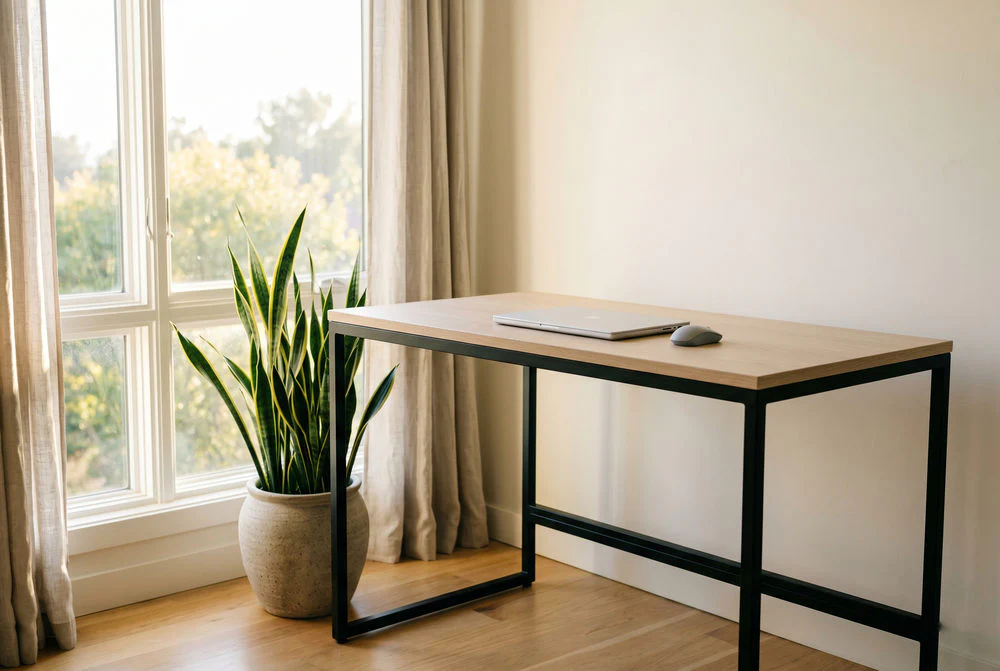
Creating a supportive work environment goes beyond ergonomic chairs. Combining workspace awareness with regular movement practices may help you approach desk-based work with greater comfort and awareness.
Select your typical workday pattern to explore example movement ideas that may fit your schedule.
Structured movement breaks aligned with typical office hours. Morning activation, midday reset, and evening cooldown.
See recommendationsFlexible routines that take advantage of home environment freedom. More space for standing and floor-based movements.
See recommendationsExample routines for long work sessions with more frequent micro-breaks and gentle tension-release movements.
See recommendationsFind answers to common questions about our movement programs and approach.
Our programs are designed for anyone who spends extended periods sitting during their workday. Whether you work in an office, from home, or in any desk-based role, these routines can be integrated into your daily schedule regardless of fitness level.
Routines range from 3-minute micro-breaks to 10-minute full sessions. Most workplace routines are designed to fit within a short break. You can choose based on your available time and current needs.
No special equipment is required. All routines are designed to be performed with your body weight in typical office or home environments. A chair and a small amount of floor space are sufficient for all movements.
Our programs offer gentle movements suitable for various comfort levels. However, if you have any chronic conditions or concerns, we recommend consulting with a qualified professional before beginning any new movement practice.
Consistency matters more than duration. We suggest incorporating short movement breaks every 60–90 minutes during your workday. Even 2–3 minutes of intentional movement may help you feel more comfortable during your workday; individual experiences vary.
Have questions about our programs or want general guidance? We are here to help.
All materials and practices presented are educational and informational in nature and are intended to support general well-being. They do not constitute medical diagnosis, treatment, or recommendation. Individual experiences may vary. Before applying any practice, especially if you have chronic conditions, please consult with a qualified healthcare professional.